The Perilous Art of Sanction Evasion: Navigating the Maze of Financial Deception - The Ghost Ship Phenomenon
Sanctions are a critical tool in international relations, designed to pressure rogue states and individuals to change their behavior:
However, the effectiveness of these measures is constantly challenged by the ingenuity of those seeking to circumvent them. Among the shadowy tactics employed, the phenomenon of "ghost ships" stands out as a particularly perilous art form of sanction evasion, navigating a maze of financial deception on the high seas.
Ghost ships, or phantom vessels, are ships deliberately operating without transmitting their Automatic Identification System (AIS) signals. AIS is essentially a vessel's transponder, broadcasting its location, speed, and other crucial information. Switching it off renders a ship virtually invisible to traditional tracking systems, creating a cloak of invisibility perfect for illicit activities.
The Typologies of Deception:
The use of ghost ships is often intertwined with other sanction evasion typologies, creating a complex web of deception:
- Flag State Manipulation: Ships may fly flags of convenience, registering in jurisdictions with lax oversight, making it difficult to trace their true ownership and activities. This ties into the broader challenge of complex ownership structures, where shell companies and layers of intermediaries obscure the beneficial owner.
- Cargo Misrepresentation: Manifests can be falsified, misrepresenting the type, origin, or destination of cargo. This is a classic example of trade-based money laundering (TBML), where the movement of goods is used to disguise illicit financial flows. Oil, due to its high value and global demand, is a frequent target of such manipulation.
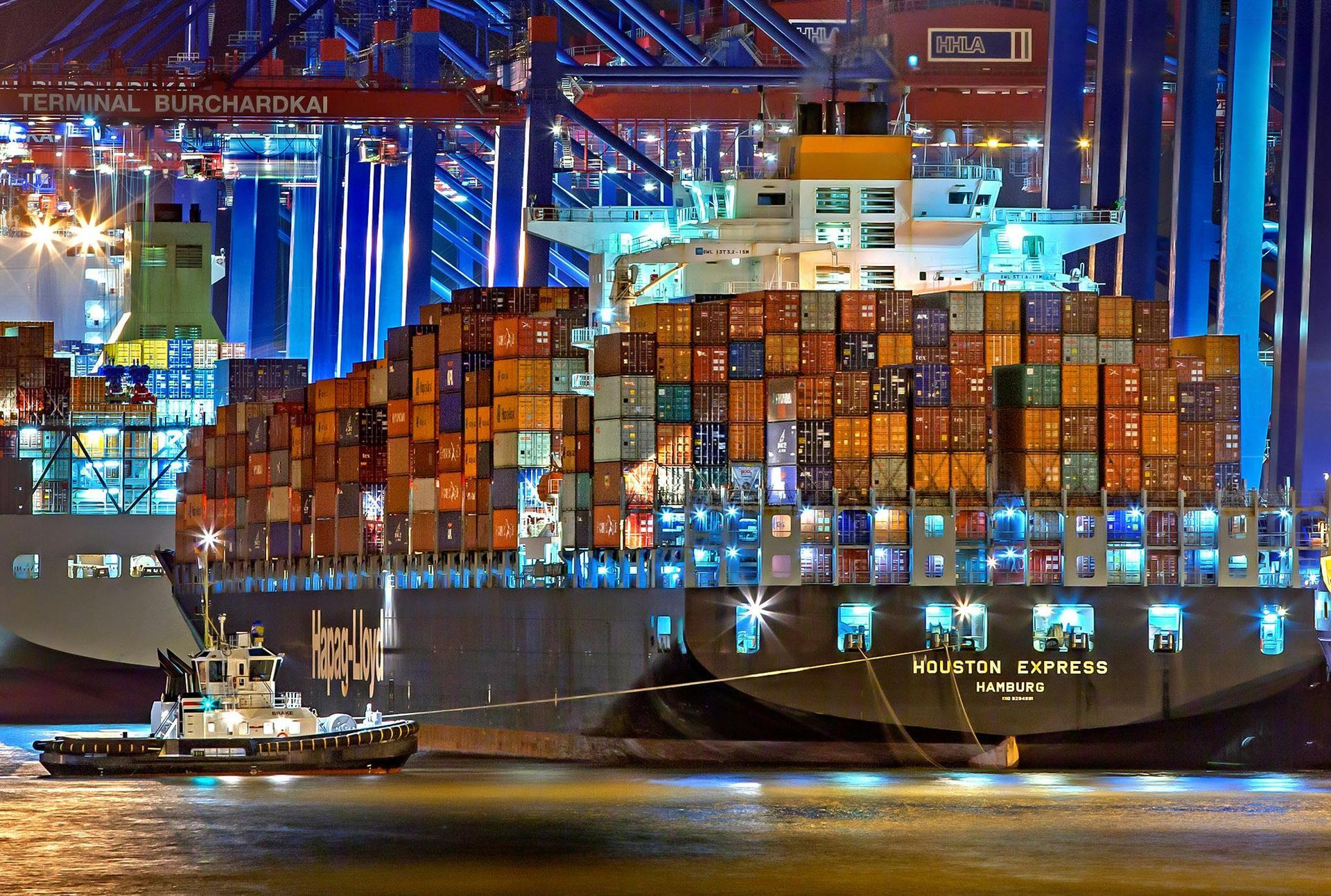
- Ship-to-Ship Transfers (STS): Cargo can be transferred between vessels at sea, often in the dead of night, further obscuring its origin and destination. This "dark fleet" activity makes tracking incredibly challenging and allows sanctioned entities to receive goods without ever docking in a monitored port.
- AIS Spoofing: Beyond simply turning off AIS, some vessels engage in "spoofing," transmitting false location data to mislead authorities. This technological cat-and-mouse game adds another layer of complexity to maritime surveillance.
The Impact of Invisibility:
The implications of ghost ship activity are far-reaching:
- Undermining Sanctions Effectiveness: When ships can operate undetected, sanctions lose their bite. This undermines international efforts to address threats to peace and security, allowing sanctioned entities to continue funding destabilizing activities.
- Fueling Illicit Trade: Ghost ships facilitate the smuggling of everything from sanctioned goods and weapons to drugs and counterfeit products. This fuels organized crime and undermines legitimate trade.
- Environmental Damage: Operating outside regulatory scrutiny, ghost ships are often poorly maintained and pose a significant environmental risk. Oil spills and other maritime accidents involving these vessels can have devastating consequences.
- Security Risks: The anonymity afforded by ghost ship operations can be exploited by terrorist groups and other non-state actors, posing a direct threat to global security.
Navigating the Future of Regulation:
Recognizing the growing threat posed by ghost ships, international regulators are beginning to adapt. Organizations like the Financial Action Task Force (FATF) and national regulatory bodies are increasingly focusing on maritime risks within their broader efforts to combat money laundering and terrorist financing. Expect to see:
- Enhanced AIS Monitoring Technologies: Investment in satellite and other advanced tracking systems to identify vessels exhibiting suspicious behavior, even without AIS signals.
- Greater International Cooperation: Information sharing between jurisdictions is crucial to uncovering the complex networks behind ghost ship operations. Expect increased joint operations and intelligence sharing.
- Focus on Beneficial Ownership: Regulations are likely to tighten around beneficial ownership of vessels, making it harder to hide behind shell companies and nominee directors. This links to broader efforts to increase transparency in global finance.
- Increased Scrutiny of STS Transactions: Expect stricter monitoring of ship-to-ship transfers, with greater emphasis on due diligence for companies involved in maritime trade.
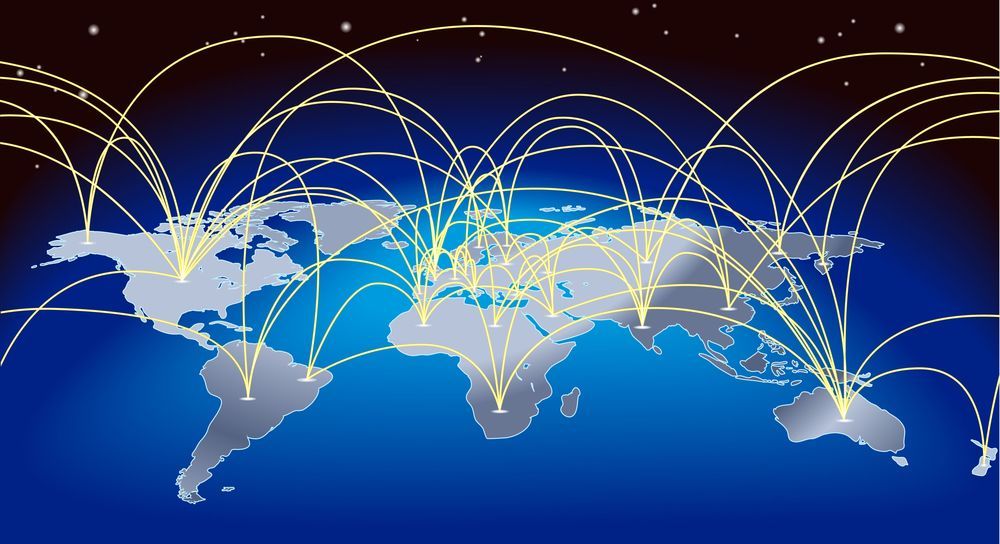
The world economy, a complex and ever-shifting landscape, plays a crucial role in the shadowy realm of sanction evasion. Think of it: global trade slows, as the World Trade Organization (WTO) recently pointed out, revising its 2023 growth forecast downwards. Geopolitical tremors, like the ongoing war in Ukraine, ripple through the markets, and a rising tide of protectionism makes legitimate commerce a trickier game. In this climate, the lure of illicit activity, the siren call of quick profits, grows stronger. And that's where the ghost ships come in.
These phantom vessels, slipping through the cracks of international oversight, become a tempting tool for those looking to skirt the rules. They're a symptom, really, of a system under pressure. Inflation bites, interest rates climb, and suddenly, the cost of doing business the right way becomes a heavy burden. For some, the temptation to cut corners, to sail in the shadows, becomes almost irresistible. The ghost ship, a vessel cloaked in anonymity, offers a way out, a path around the obstacles of legitimate trade.
Look at what's happening with Russian oil. Sanctions hit, and almost immediately, we see a surge in these shadowy voyages. Ghost ships materialize, ferrying oil across the seas, a testament to the ingenuity – or perhaps, the desperation – of those trying to circumvent the rules. And naturally, this activity doesn't go unnoticed. International authorities, like hawks circling above, sharpen their gaze, trying to pierce the veil of secrecy surrounding these clandestine operations. The game of cat and mouse intensifies.
The Financial Action Task Force (FATF), the global watchdog for financial crimes, recognizes the threat. They've laid out specific recommendations for tackling illicit financing in the maritime sector, guidelines aimed at identifying and mitigating the risks posed by ghost ships and their deceptive tactics. This is a clear signal: expect more regulation, more scrutiny, more pressure on those operating in the murky waters of international trade.
But here's the rub: pinning down the numbers, getting a clear picture of the scale of ghost ship activity, is like trying to grab smoke. These operations are, by their very nature, designed to be invisible. Yet, whispers and rumors abound. Reports surface of increased activity in hotspots like the Black Sea and the Mediterranean, areas where sanctions against Russia have redrawn the map of maritime trade.
So, the dance continues. As those seeking to evade sanctions become more cunning, regulators try to keep pace. The ghost ship, a symbol of this ongoing struggle, reminds us that the fight against financial deception is a constant, evolving challenge. It's a high-stakes game played on the world's oceans, a game with profound implications for global security and economic stability.
Resources:
- Financial Action Task Force (FATF). Website. www.fatf-gafi.org. Accessed [13/02/205].
- U.S. Department of the Treasury, Office of Foreign Assets Control (OFAC). Website. www.treasury.gov/ofac. Accessed [13/02/205].
- European Council. Website. www.consilium.europa.eu. Accessed [13/02/205]. (Specifically for EU Sanctions info)
- International Maritime Organization (IMO). Website. www.imo.org. Accessed [13/02/205].
- United Nations Conference on Trade and Development (UNCTAD). Website. unctad.org. Accessed [13/02/205].
- World Trade Organization (WTO). Website. www.wto.org. Accessed [13/02/205].
- International Monetary Fund (IMF). Website. www.imf.org. Accessed [13/02/205].
- World Bank. Website. www.worldbank.org. Accessed [13/02/205]
Frequently Asked Questions
What is sanctions evasion?
Sanctions evasion refers to the deliberate use of deceptive methods to circumvent economic or trade sanctions imposed by governments or international organisations. These tactics are designed to conceal the true origin, destination, ownership, or purpose of goods, funds, or vessels.
What is the ghost ship phenomenon?
The ghost ship phenomenon describes vessels that conceal their identity or movements to avoid detection. This may involve disabling AIS transmissions, changing vessel names or flags, conducting ship-to-ship transfers, or operating through complex ownership structures.
Why do ships switch off their AIS?
While there are legitimate safety reasons for temporarily disabling the Automatic Identification System (AIS), vessels engaged in sanctions evasion may intentionally switch it off to hide their location, route, or activities from regulators and enforcement agencies.
How are ghost ships used to evade sanctions?
Ghost ships may transport sanctioned goods by masking their routes, falsifying shipping documents, transferring cargo at sea, or using shell companies to obscure beneficial ownership. These techniques make it more difficult for authorities to trace illicit trade.
Which industries are most affected by maritime sanctions evasion?
Maritime sanctions evasion primarily impacts shipping companies, freight forwarders, financial institutions, insurers, commodity traders, logistics providers, and organisations involved in international trade and supply chain management.
What are the warning signs of sanctions evasion?
Common red flags include unusual shipping routes, frequent flag changes, AIS gaps, ship-to-ship transfers, inconsistent cargo documentation, opaque ownership structures, and transactions involving high-risk jurisdictions.
How can compliance teams detect sanctions evasion?
Compliance professionals can strengthen detection by combining sanctions screening with vessel tracking, beneficial ownership analysis, trade documentation reviews, transaction monitoring, and risk-based due diligence. Leveraging AI-powered analytics can further improve the identification of suspicious patterns.
Why is understanding sanctions evasion important?
As sanctions become increasingly complex and globally enforced, organisations must understand evolving evasion techniques to protect their business, comply with regulations, and reduce financial, legal, and reputational risks.
Speak to us!
If you wish to learn more about our Solutions and Partners we work with, click here to learn more:
Follow us on social media or drop us a line: